
Kingshot Arena's Ultimate Guide | Recommended Teams, Opponent Selection, and Resource Maximization Tips
In Kingshot, Arena mode isn't just a head-to-head test of player skill; it's also a test of strategy and psychology. It tests not only your combat skills but also your ability to plan resources, select your team, and master the seasonal rhythm. Whether you're a no-spending or light-spending player, understanding the strategic logic behind Arena will help you stand out in the leaderboards.
This comprehensive guide will cover Arena mechanics, resource utilization, cross-season planning, opponent selection, and team composition to help you maximize your gains and climb the rankings.
Arena Mechanics and Strategic Logic
Arena utilizes a dynamic attack/defense scoring system. The core principles are:
Maximize offensive gains: Ensure offensive success rates through precise opponent selection and optimal team composition.
Minimize defensive losses: Defensive failures are inevitable, but you can mitigate them through deceptive team formations.
For example, during off-peak hours, place lower-power heroes in the defensive lineup. This often attracts mid-level players to challenge you, allowing you to steadily regain points by exploiting their weaknesses.
Resource Cycle and Economics
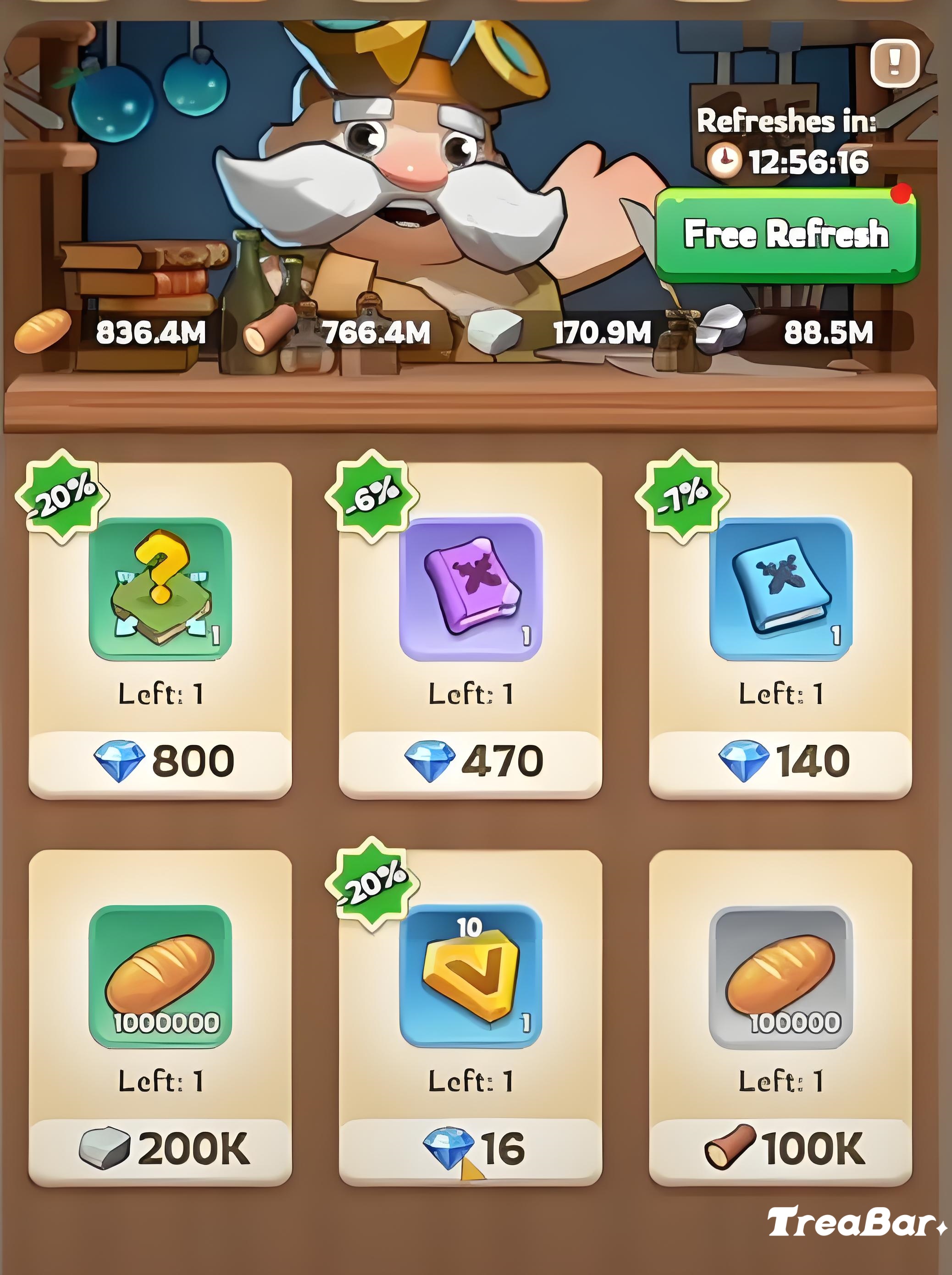
The Arena offers not only explicit rewards like gems and Arena Tokens, but also implicit benefits like combat stats and tactical experience. Learning to manage your resources effectively will significantly improve your growth efficiency.
Three Principles for Efficient Resource Utilization:
Prioritize Token Exchange for Equipment: Arena Tokens should be exchanged for Mythic Hero Equipment Chests, as they are far more valuable than Hero Shards.
Save Seasonal Universal Tokens: Use them when upgrading your core heroes to avoid wasting resources.
Gem Use Threshold: Spending additional gems on challenges is recommended only when the reward value exceeds 100 gems.
Daily Challenge Calculation:
Free Challenges: 5
Additional Challenges: 5 (Total cost: 2,100 Gems/day, approximately 14,700 Gems/week)
If you're a free-to-play player, we recommend keeping your free Challenges and focusing on them during periods of high win rate. For low-spending players, consider purchasing additional Challenges moderately during the final stages of the season to ensure a ranking increase.
Cross-Season Strategic Planning
The Arena isn't about winning or losing in a single match; it's a long-term battle that spans the entire season. To achieve higher rewards at the end of the season, you must develop a well-defined strategy for each stage:
Early Season: Actively challenge to gain rankings and visibility. This is the optimal time to increase your points while the opponent's lineup is still immature.
Mid-Season: Maintain a stable ranking while accumulating resources and focusing on developing your core heroes. Avoid blindly challenging overly strong opponents to avoid significant fluctuations in your points.
Late Season: Accurately calculate the points gap between you and the players above and below you, and purchase additional Challenges appropriately to achieve a final push.
This strategy will help you maintain steady progress throughout the season, avoiding the trap of overdrawing your resources.
Choosing the Right Opponent
In Arena, choosing your opponent is often more crucial than the battle itself.
Three-step approach to opponent selection:
Build an opponent database: Record common hero combinations and their power levels.
Study popular lineup templates: Prepare several counter lineups in advance, such as control builds, healing builds, or burst builds.
Avoid internal alliance conflicts: Avoid challenging players from the same alliance; this is uneconomical and may lead to unnecessary conflict.
In addition, you can use the Battle History feature to identify opponents who have defeated you. If you surpass their power, challenging them now can not only avenge your defeat but also regain lost points.
Recommended lineups
Arena lineups require both offensive and defensive capabilities. The following two lineups are suitable for most situations and can be adjusted flexibly based on the opponent:
Team One (Balanced)
Howard: Frontline core, responsible for absorbing damage.
Edwin: Supportive damage dealer with buffs.
Chenko: Provides area control, weakening the enemy lineup's tempo.
Jaber: High burst damage, quickly kills squishy targets.
Diana: Dual-role healer and support, boosting team endurance.
Useful for: Dealing with most medium-strength enemies, combining survivability and damage.
Second Team (Offensive Composition)
Howard: Still the core of the front line.
Jaber: Primary damage, responsible for breaking through the enemy backline.
Yager: Provides additional firepower support.
Petra: Stable control skills, limiting key enemy characters.
Zoe: Supplements damage and can also be used for late-game harvesting.
Useful for: Forcing through high-powered enemies, relying on burst and control to gain an advantage.
By switching between these two teams, you can maintain a high win rate across different matchups.
Advanced Arena Tips
In addition to standard resource and lineup strategies, the following details can further improve your win rate:
Playing during off-peak hours: Avoiding peak activity times can reduce the risk of being challenged by stronger enemies.
Weak Defensive Composition: Sometimes deploying a weak defensive team can lure your opponent into a trap, allowing you to counterattack and reclaim points.
Power Distribution: Avoid placing all your core heroes on the same team; instead, distribute them strategically across two teams to maintain flexibility.
Psychological Gaming: Study your opponent's habits, such as their favorite hero combinations, and prepare targeted strategies in advance.
The Essence of the Arena
The Arena is more than just a battle arena; it's a dynamic resource exchange platform. By cleverly utilizing resources and tactics, even if your overall power isn't top-tier, you can steadily climb the rankings through cunning.
For most players, the Arena isn't about who spends the most money, but rather who plans better. Effective resource rotation, precise opponent selection, and precise lineup combinations are the keys to climbing the leaderboard.
Conclusion
Kingshot's Arena mode is a test of wits and endurance. By mastering the strategic logic behind the mechanics, understanding how to maximize resource utilization, strategically planning the season, and selecting the right opponents and lineups, even free players can consistently break into the top ten.
Whether you're a new player or a seasoned player, following the guidelines in this article will help you avoid unnecessary mistakes in the Arena and earn more rewards and honors. In the next Season Sprint, you too can use your strategy and skills to reach the top of the leaderboard!