

Delta Force S12 Aurora Deep Dive

Aurora gives returning Delta Force players a reason to reconsider how they enter a fight. Season 12 arrived on November 10, 2026, bringing Assault Operator Martelo, Zenith Port, Brakkesh 2.0 and the AN-94. The November 12 follow-up update has already adjusted parts of that opening experience.
The interesting connection is tactical. Martelo offers a way to initiate a push; Zenith Port changes the routes into an objective; Brakkesh changes the reasons squads collide. Learning those decisions is a more useful starting point than assuming every new item belongs in a best-in-slot loadout. This guide separates confirmed changes from practical recommendations, with the global release as its reference.
Martelo rewards a push that teammates can follow
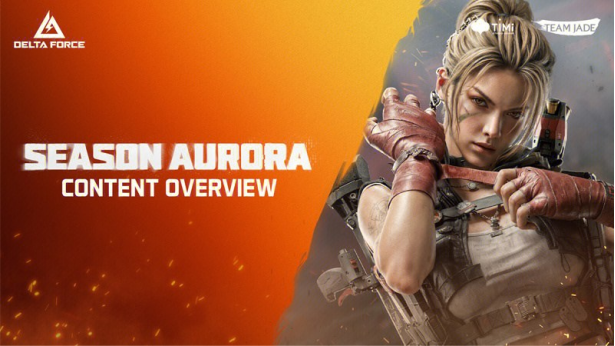
Martelo, whose full name is Veronica Cardozo, is the new Assault Operator. Ariete combines a forward charge with frontal damage reduction and a knockdown strike. Smoke Halo provides smoke deployment, while Guerreira briefly improves movement and reload speed after a knockdown or when health falls below a threshold.
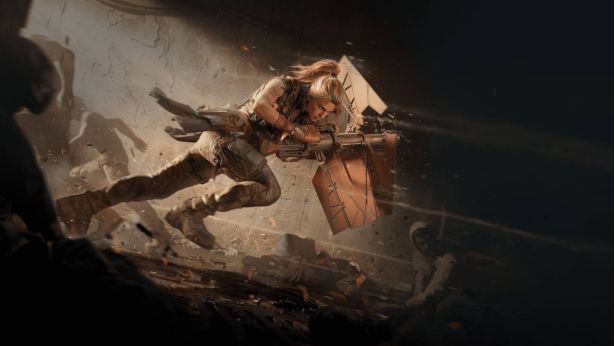
Our tactical reading is that Martelo works best when the squad has already agreed on the next piece of cover. A charge can create an opening, but it cannot decide whether the players behind you can safely cross the same ground. Before committing, identify the defender you want displaced and the teammate who will watch your exposed side.
For an attacking squad, a useful sequence is to establish covering fire, obscure the relevant sightline and then enter together. If the first contact does not produce an opening, stop and reassess rather than treating the operator's mobility as permission to keep advancing. A short, recoverable push can be more valuable than reaching a position nobody else can support.
Against Martelo, the practical response is to avoid offering the whole squad from one frontal angle. Keep enough separation to maintain a second line of fire. These are recommendations based on the kit, not a claim that early-season win rates have established an optimal composition.
Zenith Port demands a second plan after Riptide
Zenith Port is the new Warfare map. Its Riptide event floods the port and moves the battle toward rooftop objectives. The developers describe airborne deployment, anti-air defenses and water-to-rooftop approaches as ways to keep the fight accessible after the terrain changes.
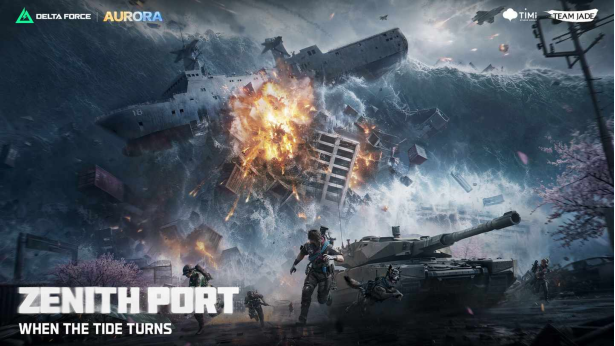
The strategic implication is that route knowledge has two parts. A street that helps your opening advance does not automatically remain useful after the flood. When learning the map, ask where you will regroup after the transition and how a late teammate will reach the objective. Memorizing a strong firing position is only half the work if you cannot replace a squad member who dies there.
For attackers, avoid turning an aerial approach into a series of isolated arrivals. Coordinate the timing of the landing with pressure from another direction. A rooftop defender who must watch an approach from below has less freedom to focus entirely on the sky. Conversely, a team committed to air defense still needs someone checking the routes beneath the objective.
For defenders, judge a position by the entrances it exposes as well as the view it offers. A good vantage point can become a liability when every teammate looks outward and nobody covers the final climb. During your first sessions, learning one dependable return route is a better investment than searching for a spectacular but difficult-to-repeat flank.
The Brakkesh rework makes your objective part of the risk
Brakkesh 2.0 adds faction work for Ahsarah and HAAVK, persistent badge progression and opposing-squad hunts. A hunt supplies an approximate area that updates periodically, rather than an exact live location. The rework also changes access around the control room and adds an enclosed passage between the wings.
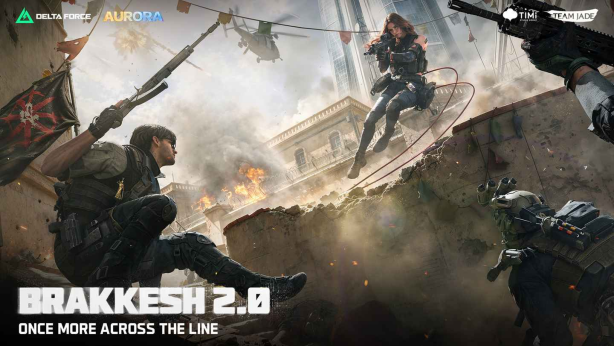
The consequence for Operations is that a task can make your movement more predictable. A squad protecting a delivery and a squad approaching a defended tower do not need the same equipment or the same escape plan. Before accepting work, agree on whether the run is primarily for progression, loot or combat. Otherwise, one player may be protecting the mission while another is taking a fight that puts it at risk.
When a hunt begins, treat the last reported area as information with an expiry date. For the hunted squad, the recommended response is purposeful relocation: move toward a route that still serves the mission, then reconsider your next stop. Running without a destination can consume resources without improving your position.
For hunters, an area marker should begin a search rather than justify a blind rush. Think about which exits a mission-focused squad would choose. Listen for a developing fight before committing, because a third team may be making its own decision about the same location.
The revised interior routes deserve deliberate practice. Try a low-cost run focused on learning how to move after an initial knockdown. The enclosed passage may reduce exposure from outside, but that does not make its far end safe. Have one teammate hold the existing angle while another checks whether the new approach actually changes the fight.
Choose a rifle by its role in your loadout
Aurora adds the AN-94 assault rifle in 5.45×39 mm, alongside new ammunition and attachments. That confirms an expanded set of loadout options; it does not establish a universal best weapon.
Start by choosing the engagement you want to improve. In Warfare, compare how consistently you can land follow-up shots while moving between cover. In Operations, include ammunition expenditure and the cost of replacing the entire kit. A weapon that feels good in one controlled test can still be a poor fit for the fights you repeatedly take.
Change one variable at a time. Keep the engagement distance and target conditions comparable, then test whether a different attachment or ammunition choice solves a problem you can name. If you cannot explain what an expensive change improves, retain the cheaper setup until you have a useful comparison.
That approach also makes your results easier to interpret. Record whether a lost fight came from missed shots, an exposed position or an unsupported push before attributing it to weapon balance. Aurora's new routes can change engagement conditions even when your weapon behaves exactly as expected.
The November 12 update changes the launch day picture
The follow-up update adjusted Smoke Halo's audio attenuation to a 50-meter range, with stronger attenuation beyond 30 meters. It also changed Zenith Port deployment arrangements and introduced a shared servicing cooldown across Vehicle Supply Stations once servicing finishes.
For players returning after watching launch-day coverage, the lesson is to recheck the particular route or interaction you intend to use. A deployment change can affect the timing of reinforcements without changing the appearance of your preferred firing position. Vehicle squads should also plan where to go after servicing instead of assuming the next station offers an immediate second service.
Early guides remain useful for orientation, but treat highly specific claims about sound, spawn routes and vehicle recovery as version-sensitive. Check them in the current client before committing an expensive Operations kit or building a squad plan around them.
Separate available content from later season plans
Aurora's launch content and its event calendar are not the same thing. As of November 16, the season is live, but AZ3 Supercritical is scheduled for a later window. The dates below follow the global announcements; check the in-game event panel for your regional reset time and any subsequent changes.
| Content | Announced timing | What to do |
| Aurora season update | November 10, 2026 | Learn the new operator and map changes now |
| Haavk attachment event | November 10–17, 2026 | Check availability before planning purchases |
| New map and firearm missions | November 10–December 10, 2026 | Combine mission progress with map and weapon practice |
| AZ3 Supercritical | Expected December 18, 2026–January 25, 2027 | Prepare for the later mode rather than treating it as live |
For Supercritical, the announced requirements include Operations Level 30 and an entry value of 600,000 Tekniq Alloys. Build a replacement budget before committing to that entry requirement. Meeting the threshold is different from being able to absorb a failed run.
A practical way to approach your next sessions
If Warfare is your main mode, spend the next session learning how to return to a Zenith Port rooftop after Riptide. Once that route is reliable, test a coordinated entry with Martelo and review whether teammates arrive in time to support it.
If Operations is your priority, start Brakkesh with a loadout you can comfortably replace. Choose the run's purpose before taking faction work, then make sure every teammate knows what would cause you to abandon the mission or leave the area.
Players returning after a break should resist changing operator, weapon and route simultaneously. Keep a familiar part of the loadout while learning the new environment. You will get a clearer answer about what actually needs adjustment.
Aurora's strongest reason to return is the interaction between these choices. A well-timed entry matters more when everyone knows the route; a successful faction job matters more when the squad can recognize when to disengage. Start with the decision your team gets wrong most often, and use the new season to practice it.